
Body Care & Longevity
Body care and longevity habits for long-term wellness
Longevity gets used loosely in wellness media, often attached to exotic supplements and extreme routines. Here we approach it as the result of habits you can sustain over decades — practical actions for your skin, joints, muscles, and mind.
A different time horizon
The question shifts from what helps you feel better today to what keeps you capable in twenty years.
Continue reading
Wellness habits sustained over decades, not weeks.
The Practice
What longevity actually means in practice
Longevity in the context of everyday wellness means maintaining function, mobility, and independence as you age. It is not about living to a specific number. It is about the quality of your later decades, which is shaped by the habits you build in your thirties, forties, and fifties.
The foundations are unglamorous: regular movement, a varied diet, adequate sleep, and attention to stress. These are the same habits we discuss across this site, because they apply to both daily energy and long-term wellness. A healthy lifestyle guide that promises something separate from these basics is worth approaching with caution.
The difference is in the time horizon. When you think about longevity, the question shifts from what will help you feel better today to what will keep you capable in twenty years. That shift changes how you think about exercise, food, and even skincare. Habits that feel unnecessary in the short term — like stretching or strength training — become more important when you consider their cumulative effect over time. Natural vitality is not something you switch on; it is something you maintain, quietly, through repetition.
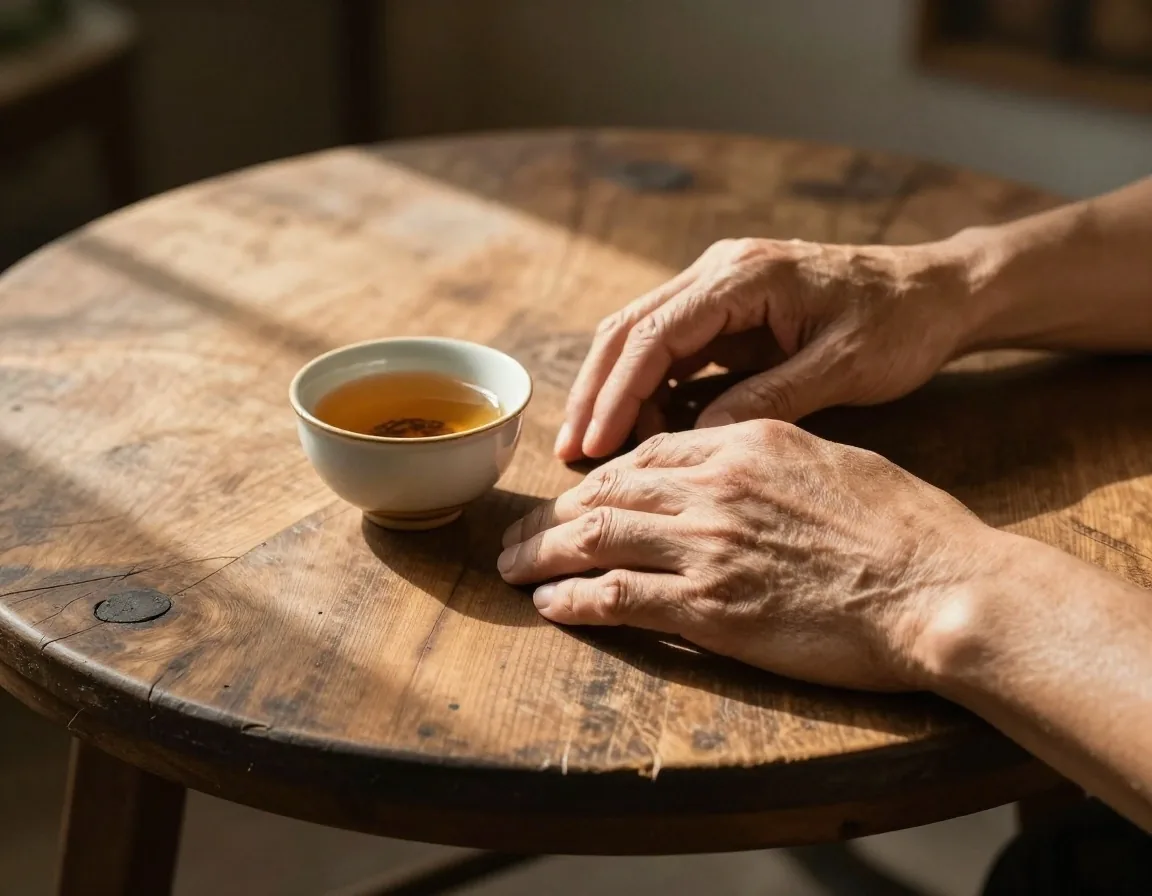
Function and independence, sustained through decades of ordinary habits.
Movement
Movement for joints and muscles
Physical activity is the most important body care habit for long-term function. Cardiovascular exercise supports heart health and energy, while strength training preserves muscle mass, which naturally declines with age. Joints benefit from regular movement because inactivity leads to stiffness and reduced range of motion.
Cardiovascular exercise
Supports heart health and sustained energy. Walking, cycling, or swimming done regularly gives your cardiovascular system the steady load it needs. The goal is consistency, not intensity — a daily thirty-minute walk compounds over years.
Strength training
Preserves muscle mass, which naturally declines with age. Bodyweight exercises — squats, push-ups, lunges — done twice a week are enough for most adults to maintain functional strength. You do not need a gym membership or a complex program.
Joint mobility
Joints benefit from regular movement because inactivity leads to stiffness. This is especially relevant for people who work at desks, where prolonged sitting tightens the hip flexors and weakens the muscles that support the spine. Short stretching sessions counteract this.
Regularity over intensity
Two short sessions of movement per week, sustained over years, do more than an intense program that lasts a month and is abandoned. We describe practical ways to build this consistency on our Fatigue Prevention page, where we discuss movement as an energy source.

Skincare
Skincare without complexity
Skincare is part of body care, and it does not need to be complicated. The two most important habits are sun protection and moisturizing. Sun exposure accelerates skin aging and increases the risk of skin damage, and this is particularly relevant in Greece where UV levels are high for much of the year.
Using a sunscreen with adequate SPF on exposed skin, especially on the face, is the single most effective skincare habit for long-term skin health. Consistency with two basic products is more effective than inconsistency with a shelf full of specialized ones.
Two habits, sustained
Sun protection
A broad-spectrum sunscreen applied to exposed skin every morning, reapplied during extended outdoor time. In Greek climate conditions, this matters year-round, not only in summer. The formulation matters less than the habit of regular use.
Moisturizing
A basic moisturizer applied after washing helps maintain the skin barrier, which becomes more relevant as skin naturally loses moisture with age. We do not recommend specific brands, because the formulation matters less than the habit of regular use.
Nutrition
Nutrition and its role in aging
What you eat over decades affects how your body ages. A diet rich in vegetables, fruits, whole grains, and adequate protein provides the nutrients your body needs to maintain muscle, bone density, and cellular function. This is the same nutrition framework we describe on our Nutrition Basics page, applied with a long-term perspective.

Eat a variety of plant foods
Different plants provide different nutrients and compounds that support overall health. Aiming for several different types of vegetables and fruits across a week, rather than eating the same ones every day, is a simple way to broaden your intake.
This does not require exotic or expensive ingredients. Seasonal and local produce, which is abundant in Greek markets, works perfectly well. There is no single food that promotes longevity, and any content claiming otherwise should be treated with skepticism. Nutrition basics, applied patiently, are what compound.

Protein and whole grains
Adequate protein supports muscle maintenance, which becomes more relevant as muscle mass naturally declines with age. Whole grains provide sustained energy and fiber. Together with vegetables and fruits, these form the foundation that supports bone density and cellular function over decades.
The framework does not change when you think long-term — it just matters more. Daily energy and long-term wellness draw from the same plate. For the full framework, see our Nutrition Basics page.
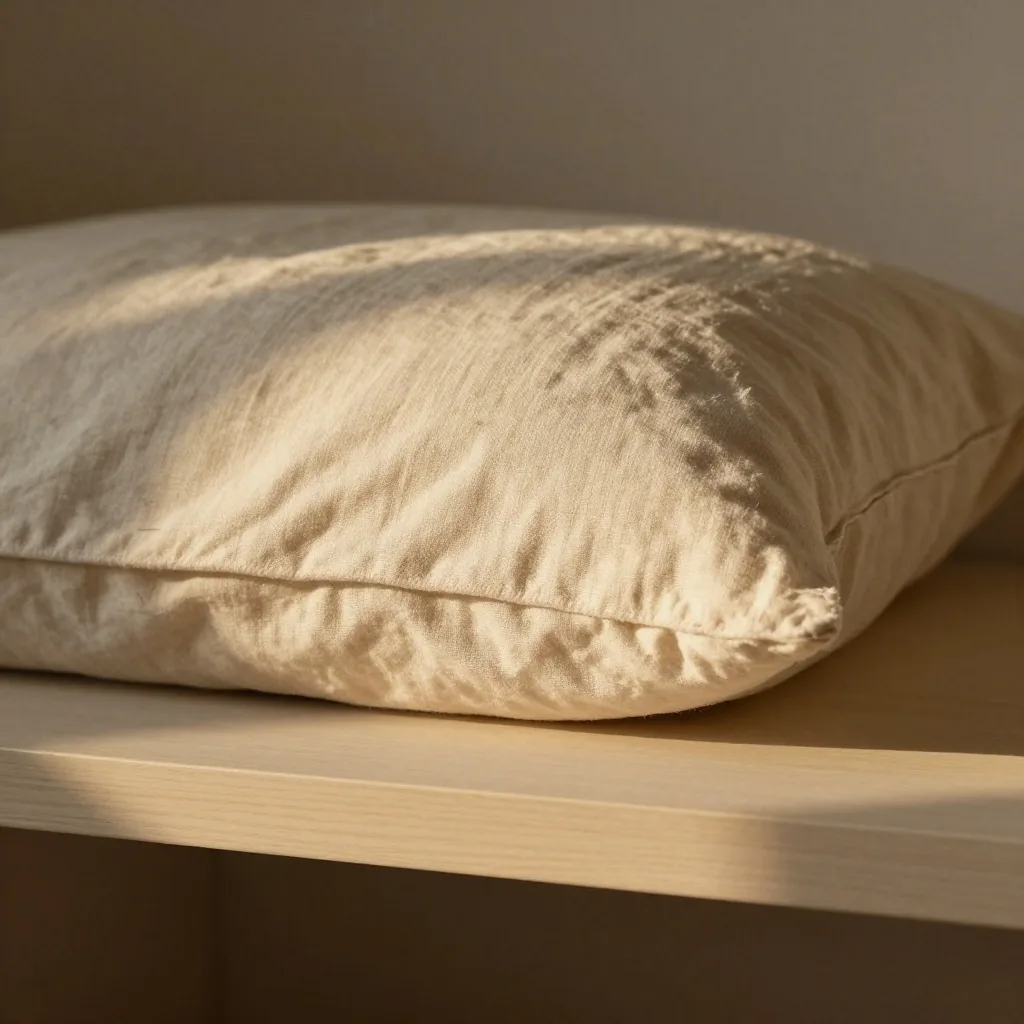
Sleep is where the body repairs and maintains itself. When sleep is consistently poor, those processes are disrupted.
Sleep
Sleep and long-term health
Sleep is not just a daily recovery tool. It is a long-term health habit. Chronic sleep deprivation is associated with a range of negative health outcomes, including reduced immune function and impaired cognitive performance over time. Getting consistent, adequate sleep is one of the most impactful things you can do for long-term wellness.
The connection between sleep and longevity is straightforward. Your body repairs and maintains itself during sleep. When sleep is consistently poor, those processes are disrupted. Prioritizing sleep means setting boundaries around work, evening screen use, and schedule variability.
It is not always easy, but it is one of the few habits with a clear and well-established connection to long-term health outcomes. Our Healthy Sleep page covers the habits that support this in detail.
Stress
Stress management as body care
Chronic stress affects the body in measurable ways. It raises blood pressure, disrupts sleep, and contributes to patterns of eating and drinking that undermine other wellness habits. Stress management is therefore part of body care, not a separate topic.
This does not mean eliminating stress, which is impossible for most adults. It means developing habits that help you recover from stress rather than accumulating it. The specific activity matters less than the regularity and the fact that it provides a genuine break from sources of stress. We are cautious about prescribing specific techniques, because what works varies widely between individuals.
Practical habits
- Taking short breaks during focused work
- Spending time outdoors in natural light
- Maintaining social connections and regular contact with people you trust
Absorbing activities
Engaging in activities that absorb your attention without causing anxiety. For some people, this is exercise. For others, it is cooking, reading, or gardening. What matters is that the activity provides a genuine break — not just a different kind of demand on your attention.
Consistency
The role of consistency over intensity
If there is a single principle that ties together everything on this page, it is that consistency matters more than intensity. A twenty-minute walk every day, a simple skincare routine morning and night, a balanced dinner most evenings, and a consistent sleep schedule are the kinds of habits that compound over years.
They are not exciting, and they will not be featured in a headline about breakthrough wellness protocols. But they are the habits that keep people mobile, capable, and healthy in their later decades.
You will not feel dramatically different after one week of walking daily. Over five years, the difference becomes significant.
The challenge is that their benefits are invisible in the short term. This is the perspective we encourage readers to take when thinking about body care and longevity. The wellness tips that matter are the ones you can still be doing in ten years — not the ones that burn out in a month.
Honesty
A realistic approach to aging
Aging is a natural process, and no lifestyle habit stops it. What habits can do is influence how you experience it. A body that is regularly moved, adequately nourished, and well-rested ages differently from one that is sedentary, poorly fed, and sleep-deprived. The goal is not to resist aging but to age in a way that preserves function and quality of life for as long as possible.
We want to be honest about the limits of this approach. Genetics, environmental factors, and access to healthcare all play roles that lifestyle cannot fully override. What we offer here is guidance on the factors within your control. Focusing on those, rather than on things you cannot change, is a more productive way to approach long-term wellness than chasing impossible guarantees.
If you want to continue reading, the pages below cover the same foundations from different angles — daily energy, sleep habits, and the nutrition framework that underpins all of it.
Common Questions
Questions about body care and longevity
Do I need supplements to age well?
No single food or supplement promotes longevity, and any content claiming otherwise should be approached with caution. A varied diet built around vegetables, fruits, whole grains, and adequate protein provides the nutrients your body needs. We do not sell products or recommend specific brands on this site.
How much exercise is enough for long-term function?
For most adults, bodyweight exercises, walking, and simple stretching done consistently are enough to maintain functional strength and mobility. Two short sessions per week, sustained over years, do more than an intense program that lasts a month and is abandoned. The key is regularity, not complexity.
Is sunscreen really necessary year-round in Greece?
UV levels in Greece are high for much of the year, not only in summer. Sun exposure accelerates skin aging and increases the risk of skin damage. Using a sunscreen with adequate SPF on exposed skin — especially on the face — is the single most effective skincare habit for long-term skin health, regardless of season.
Can lifestyle habits fully control how I age?
No. Genetics, environmental factors, and access to healthcare all play roles that lifestyle cannot fully override. What habits can do is influence how you experience aging — a body that is regularly moved, adequately nourished, and well-rested ages differently from one that is sedentary and sleep-deprived. Focusing on the factors within your control is the most productive approach.
Is this content medical advice?
No. Everything on this page is for informational purposes only. It is not a substitute for professional medical guidance, and it does not mention specific medical products, procedures, or outcomes. If you have questions about your own health, speak with a qualified healthcare provider.
Keep reading the foundations
The habits on this page connect to the rest of the site. Continue with nutrition, sleep, or daily energy — each covers the same basics from a different angle.
Vital Sleep Nutrition
Leoforos Vasilissis Sofias 42, Athens 106 76, Greece
The content on this page is for informational purposes only. It is not a substitute for professional medical advice, diagnosis, or guidance, and it does not mention specific medical products, procedures, or outcomes. Always consult a qualified healthcare provider with questions about your own health. © 2026 Vital Sleep Nutrition.