Healthy sleep habits for natural vitality
Sleep is the habit most people underestimate. You can eat well and move regularly, but if your sleep is inconsistent or low quality, your energy and mood will reflect it. This page covers the environmental and behavioral habits that support restful sleep — without recommending products or promising specific outcomes.
Your bedroom environment and why it matters
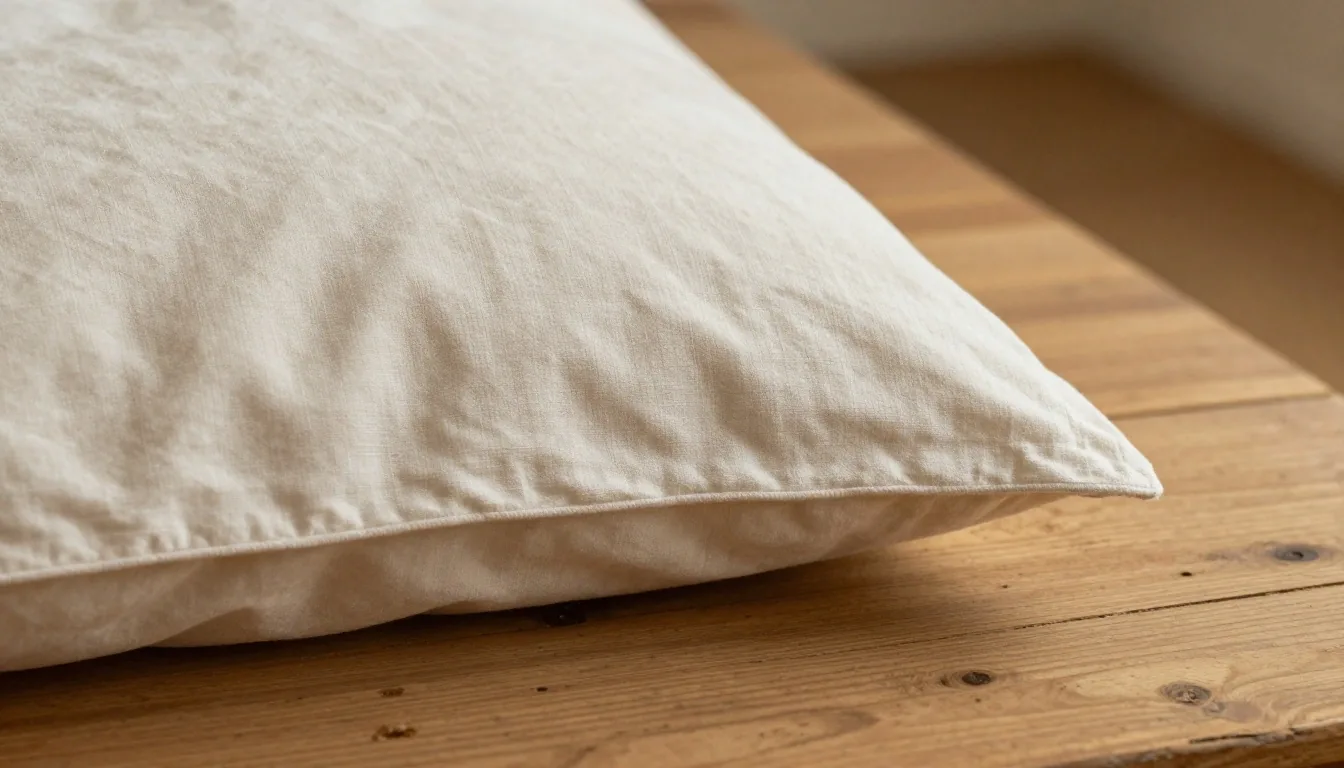
The space where you sleep affects how well you rest. Three factors matter most: temperature, light, and noise. A room that is too warm makes it harder to fall asleep and stay asleep, because your core body temperature needs to drop slightly as part of the natural sleep process. Most people sleep better in a room that feels cool rather than comfortably warm.
Light is the other major factor. Even small amounts of light from a streetlamp, an electronic device, or a bright alarm clock can interfere with melatonin production. Blackout curtains, an eye mask, or simply repositioning devices can address this without much cost. Noise is harder to control if you live in a city or a busy building, but earplugs or a white noise source are options worth trying if nighttime sounds wake you regularly.
Temperature
A cool room — slightly below daytime comfort — supports the natural drop in core body temperature that accompanies sleep onset.
Light
Even dim light from devices or streetlamps can suppress melatonin. Blackout curtains and eye masks are low-cost fixes.
Noise
Intermittent sounds wake you more than steady noise. Earplugs or a consistent low-level audio source can help mask disruptions.
Evening light and screen habits
The hour before bed matters more than most people realize. Bright light, especially the blue-spectrum light from phones and computers, signals to your brain that it is still daytime. This delays the onset of melatonin, the hormone that helps you feel sleepy, and pushes your internal clock later. The result is that you feel tired later than you would otherwise.
Reducing screen time in the last hour before bed is the most direct way to address this. If that is not realistic, dimming your screen, using a warm-color filter, or keeping devices at a distance can help reduce the impact. The goal is not to eliminate technology from your evenings entirely, which is impractical for most people. It is to reduce the intensity and proximity of light as you get closer to bedtime.
Try moving your phone charger outside the bedroom. The physical distance reduces both light exposure and the temptation to check notifications during the night.
Consistency and your internal clock
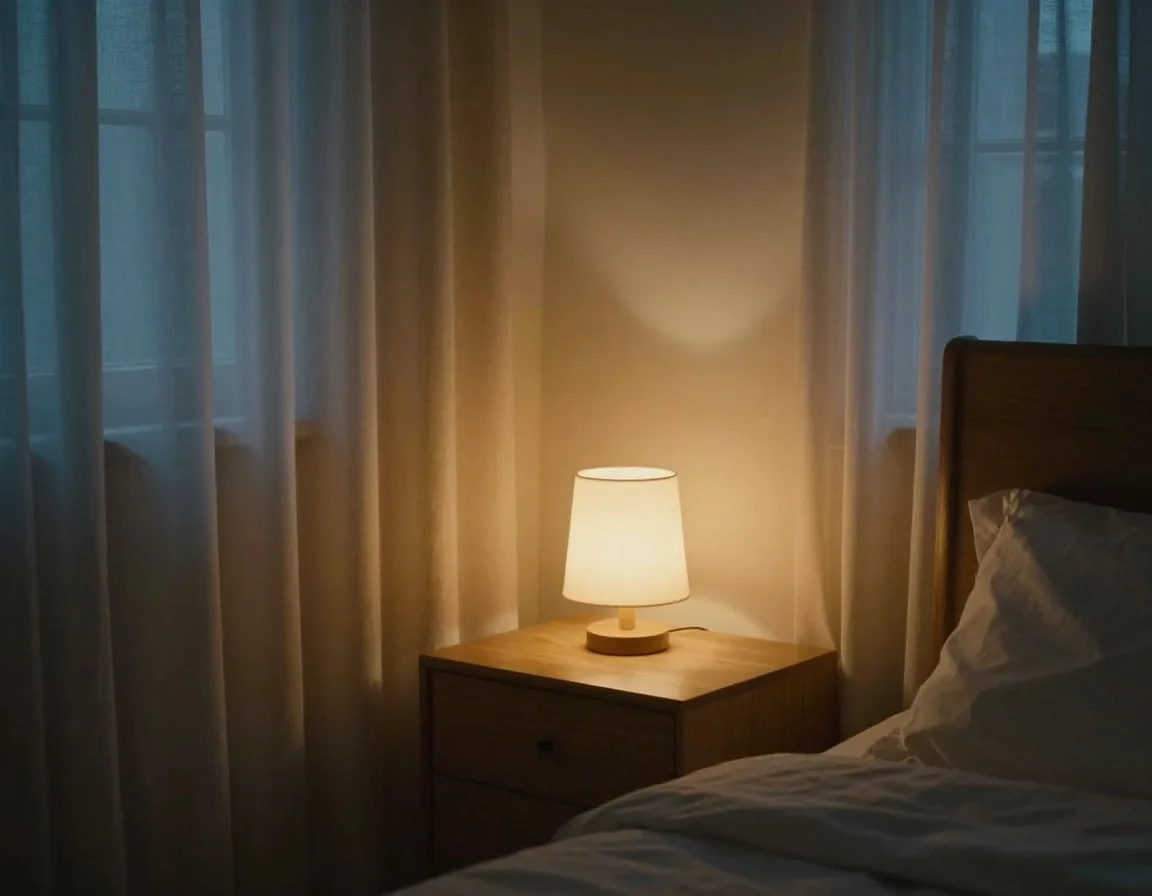
Your body has a natural circadian rhythm, a roughly 24-hour cycle that regulates sleep and wakefulness. This rhythm responds to cues like light exposure, meal timing, and physical activity. When you go to bed and wake up at the same time each day, you reinforce that rhythm and make sleep feel more natural. When your schedule varies widely, your rhythm gets confused, and falling asleep becomes harder.
Weekends are where most people break their pattern. Staying up two or three hours later on Friday and Saturday and then sleeping in on Sunday shifts your internal clock, making Sunday night difficult and Monday morning miserable. Keeping weekend sleep times within an hour of your weekday schedule is one of the most effective and least discussed sleep habits. It sounds restrictive, but the payoff in morning energy is significant.
Cues your rhythm responds to
Morning light
Daylight within the first hour of waking sets your internal clock for the day.
Meal timing
Eating at consistent times reinforces the rhythm your body expects.
Physical activity
Movement during the day supports deeper rest at night — but avoid intense exercise close to bedtime.
Sleep schedule
Going to bed and waking within the same 60-minute window each day is the strongest cue of all.
What to do when you wake up at night
Waking up during the night is normal. Most people wake briefly several times without remembering it. The problem arises when you wake fully and cannot get back to sleep, often because you start thinking about work, the news, or the fact that you are not sleeping. The harder you try to force sleep, the more elusive it becomes.
If you wake up and cannot fall back asleep within about 20 minutes, the recommended approach is to get out of bed. Sit in a dimly lit room and do something low-stimulation, like reading a book or listening to calm audio. Return to bed when you feel sleepy. This prevents your brain from associating your bed with frustration and wakefulness. Looking at the clock to check how much time you have left to sleep makes things worse, because it adds anxiety to an already alert state.
If you cannot fall back asleep
Wait roughly 20 minutes before acting. Brief wakings are normal and usually pass on their own.
Get out of bed and move to a dim, quiet room. Do not turn on bright overhead lights.
Do something low-stimulation: read a physical book, listen to calm audio, or sit quietly.
Return to bed only when you feel sleepy again — not before.
Do not check the clock. Counting remaining hours adds anxiety and keeps you alert.
Caffeine, alcohol, and their timing
What you consume in the hours before bed changes how you sleep. Two common substances — caffeine and alcohol — affect sleep in very different ways, and understanding the timing helps you make informed choices without giving up either entirely.
Caffeine
Caffeine has a long half-life, meaning it stays in your system for hours after you consume it. A coffee at 3 PM may still be affecting you at 9 PM, even if you do not feel wired. If you have trouble falling asleep, looking at your caffeine intake and when you consume it is one of the first adjustments to make.
Most people benefit from stopping caffeine intake by early afternoon.
Alcohol
Alcohol can make you feel drowsy and help you fall asleep quickly, but it disrupts the second half of the night, leading to fragmented and lower-quality sleep. This is why a nightcap often results in waking up feeling unrefreshed despite having slept for seven or eight hours.
Understanding its effect on sleep quality helps you make informed choices about timing and amount.
Building a wind-down routine
A wind-down routine is a set of habits you do in the same order each night before bed. It signals to your brain that the day is ending and sleep is approaching. This could be as simple as washing your face, changing into sleep clothes, and reading for 15 minutes. The specific activities matter less than the consistency.
The routine should not include anything that raises your heart rate or stress level. Intense exercise, stressful work emails, or engaging with emotionally charged content right before bed are all counterproductive. What works instead is low-stimulation, repetitive activity. Your brain learns the pattern over time, and the routine becomes a trigger for sleepiness, making it easier to transition from wakefulness to rest.
A simple sequence — wash, change clothes, read for 15 minutes, lights out — repeated nightly is more effective than any single elaborate ritual.
What helps vs. what hinders
Helps: Reading a physical book, gentle stretching, warm shower, calm audio, dim lighting.
Helps: Same order every night, same approximate start time, low heart rate throughout.
Hinders: Work email, news feeds, emotionally charged conversations, intense exercise.
Hinders: Bright screens held close to the face, irregular start times, checking the clock repeatedly.
How sleep connects to daily energy
Sleep is not just about feeling rested. It affects your food choices, your stress response, and your ability to concentrate. When you sleep poorly, you are more likely to crave high-sugar foods, react more strongly to minor stressors, and struggle with tasks that require sustained attention. This is why we treat sleep as the foundation of natural vitality rather than a separate topic.
If you are working on multiple wellness habits at once, prioritizing sleep often makes the others easier. When you are well-rested, planning meals and finding the motivation to move feel less like chores. The pages on Nutrition Basics and Fatigue Prevention on this site connect to sleep in specific ways, and we recommend reading them together for a fuller picture of how these habits interact as part of a broader healthy lifestyle guide.
When lifestyle changes are not enough
The habits on this page help most people improve their sleep over time. But if you consistently struggle to fall asleep, wake frequently, or feel exhausted despite getting seven or more hours of sleep, lifestyle adjustments may not be sufficient. Sleep disorders and underlying health factors require evaluation by a medical professional, and no amount of routine building replaces that.
We want to be clear about this boundary. This page offers educational guidance on sleep habits, not a diagnostic tool or a treatment plan. If you suspect something beyond poor habits is affecting your sleep, the right step is to talk to a doctor. The content here can complement professional guidance, but it cannot substitute for it.
Sleep questions we hear often
What temperature should my bedroom be for sleep?
Most people sleep better in a room that feels cool — slightly below daytime comfort. Your core body temperature needs to drop slightly as part of the natural sleep process, and a warm room works against that. There is no single correct number, so experiment within a range that feels cool but not uncomfortably cold.
How late can I drink coffee without affecting my sleep?
Caffeine has a long half-life, so a coffee at 3 PM may still be affecting you at 9 PM — even if you do not feel wired. Most people benefit from stopping caffeine intake by early afternoon. If you are sensitive to caffeine, consider moving that cutoff earlier and observing how your sleep responds.
Is it normal to wake up during the night?
Yes. Most people wake briefly several times without remembering it. The problem arises when you wake fully and cannot get back to sleep. If that happens regularly, get out of bed after about 20 minutes, sit in a dim room, and return only when you feel sleepy. Avoid checking the clock.
Does alcohol help you sleep?
Alcohol can make you feel drowsy and help you fall asleep quickly, but it disrupts the second half of the night, leading to fragmented and lower-quality sleep. A nightcap often results in waking up feeling unrefreshed despite seven or eight hours in bed. Understanding this effect helps you make informed choices about timing and amount.
When should I talk to a doctor about my sleep?
If you consistently struggle to fall asleep, wake frequently, or feel exhausted despite getting seven or more hours of sleep, lifestyle adjustments may not be enough. Sleep disorders and underlying health factors require evaluation by a medical professional. This page offers educational guidance — it is not a diagnostic tool or a treatment plan.
Sleep is the foundation of natural vitality
If you are building wellness habits, start with rest. The related pages below connect sleep to nutrition, daily energy, and long-term body care.