
Nutrition Basics
Nutrition basics for steady daily energy
Most people know that eating well matters, but the details get confusing quickly. This page covers the foundational eating habits that support steady energy and general wellness, without asking you to follow a named diet or buy specialty foods.
Keep reading
How what you eat connects to how you sleep, and what to change first.
Read About Fatigue Prevention
Foundations
What a balanced plate actually looks like
Protein for satiety
Protein helps with satiety, the feeling of fullness after a meal. Including a source like eggs, fish, lentils, yogurt, or tofu at most meals keeps hunger from building through the day. It also supports muscle maintenance, which matters for long-term energy and mobility.

Vegetables and fruit for fiber
Fiber from plants slows digestion and supports steady blood sugar. Half the plate coming from vegetables or fruit is the simplest rule that works across cuisines. Frozen vegetables count. So does a piece of fruit with breakfast. The variety matters more than any single superfood.

Complex carbohydrates for lasting energy
Complex carbohydrates — whole grain bread, oats, brown rice, potatoes — keep blood sugar steadier than refined options like white bread or sweetened cereals. They release energy more slowly, which is why meals built on them feel satisfying for hours rather than minutes.
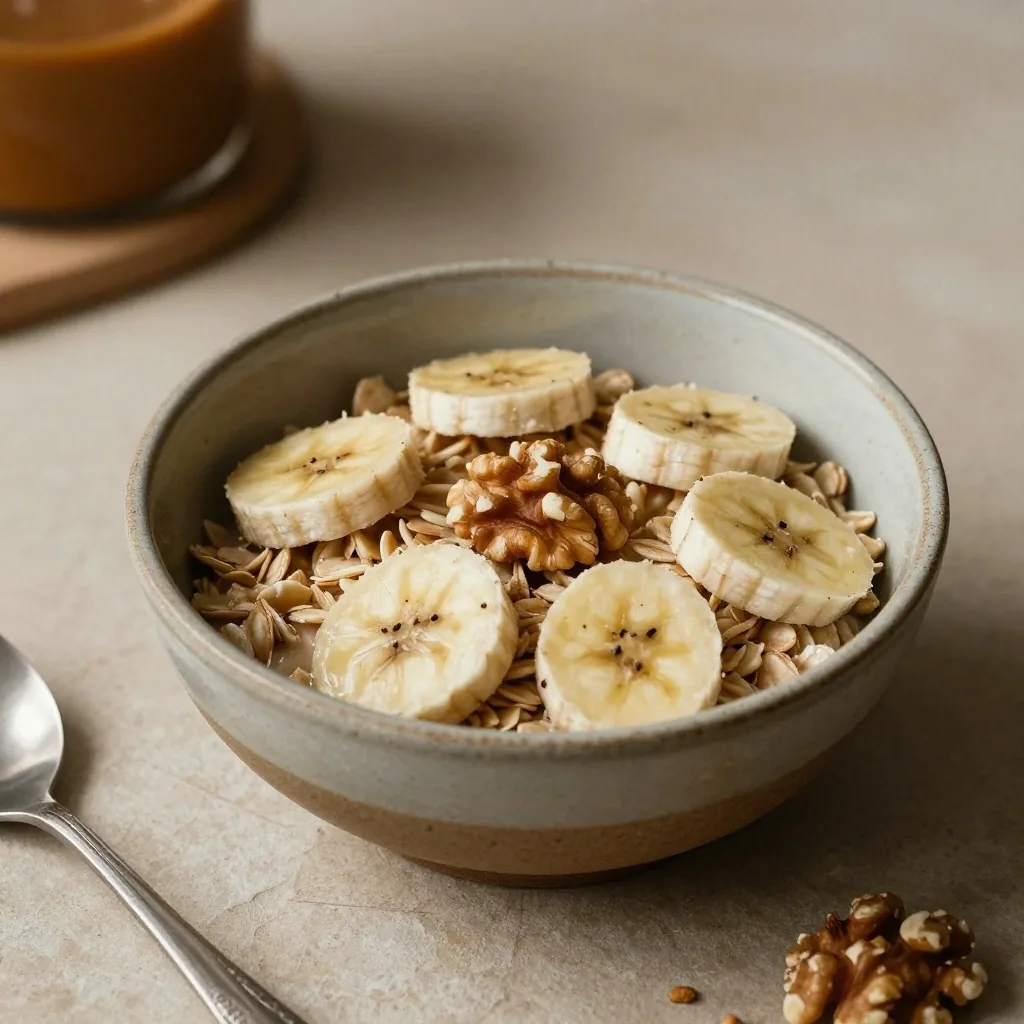
The proportions can vary based on your activity level, preferences, and cultural background. A Mediterranean-style plate with fish, greens, and whole grain bread looks different from a breakfast with eggs, spinach, and oats, but both fit the same general framework. The point is not to copy a single template. It is to understand the structure and apply it to what you already eat.
Timing
Why meal timing affects how you feel
When you eat can be as relevant as what you eat.
Skipping breakfast often leads to a pattern where hunger builds through the day and gets satisfied with whatever is fastest, which is rarely the most balanced option. Eating within the first hour or two of waking helps establish a steadier rhythm for the rest of the day.
This does not mean everyone needs to eat breakfast at the same time or in the same way. If you are not hungry first thing in the morning, waiting an hour is reasonable. The key is avoiding a situation where you go five or six hours without eating and then overeat because you are starving. That pattern is common, and it tends to make energy levels swing more than people realize.
A practical approach
Aim for three meals at roughly consistent times. If you need something between meals, a piece of fruit with a handful of nuts or a small yogurt bridges the gap without disrupting the rhythm. The goal is steadiness, not rigidity.

Hydration
Hydration and its role in daily energy
Water is the most under-discussed part of nutrition basics. Mild dehydration can cause headaches, reduce concentration, and make you feel tired even when you slept well. Most people do not track their water intake, and many mistake thirst for hunger, reaching for a snack when a glass of water would address the actual need.
Carrying a water bottle, keeping a glass at your desk, or simply drinking a full glass of water with each meal are habits that solve this without effort. The exact amount each person needs varies with body size, activity, and climate, and in Athens the summer heat raises that need noticeably. The general guidance to drink when thirsty and observe the color of your urine is more practical than chasing an arbitrary target.
Key Nutrients
Protein, fiber, and why they matter
Protein and fiber are the two nutrients that have the biggest day-to-day impact on how full and alert you feel. Protein supports muscle maintenance and helps meals feel satisfying. Fiber, found in vegetables, fruits, legumes, and whole grains, slows the release of sugar into your bloodstream and supports digestion. Together, they prevent the rapid rise and crash that comes from meals heavy in refined carbohydrates.
Accessible protein sources
Sources of protein do not have to be expensive or unusual. Eggs, canned tuna, lentils, chicken, yogurt, and tofu are all accessible options available at any grocery store. You do not need to count grams to benefit from including these in most meals. Consistent inclusion is what makes the difference over time.
Fiber from everyday foods
For fiber, an apple, a serving of beans, or a side of roasted vegetables gets you closer to a good daily intake. Whole grain bread, oats, and brown rice add fiber to meals you already eat. The combination of protein and fiber at the same meal is what keeps energy stable for hours rather than minutes.
Practical Habits
Eating well on a realistic schedule
Not everyone has time to cook from scratch every night. Wellness content that assumes unlimited time is not useful. Preparing extra portions when you do cook, keeping pantry staples like canned beans and dried pasta on hand, and choosing simpler meals during busy stretches are all valid strategies.
Even a meal assembled from pre-made components, like a rotisserie chicken with a bagged salad and some bread, is a reasonable dinner. The goal is progress, not perfection. If you are eating a balanced meal most evenings and keeping lunch consistent, you are doing better than trying to follow an elaborate plan that collapses after a week. Nutrition basics should work with your life, not against it.
Three habits that hold up
- Cook extra portions when you have time, and refrigerate or freeze the rest for busier days.
- Keep canned beans, dried pasta, rice, and frozen vegetables in the pantry as a baseline.
- Accept assembled meals from pre-made components when cooking from scratch is not possible.
What to Avoid
Common mistakes that undermine good intentions
Letting yourself get too hungry before eating
This usually leads to choosing whatever is fastest, which tends to be lower in protein and fiber. When hunger is sharp, convenience wins over balance. Eating at roughly consistent intervals prevents the sharp hunger that drives poor choices.
Drinking a large portion of your calories
Sodas, sweetened coffees, and juices add energy without satiety and often leave you hungry again shortly after. Swapping some of these for water or unsweetened drinks is one of the simplest changes that affects how you feel day to day.
Cutting out foods you enjoy entirely
This typically leads to a cycle of restriction and overeating. A balanced approach includes foods you like, eaten in reasonable amounts, alongside the foundational habits described on this page. Sustainability matters more than strictness.
The Connection
How nutrition connects to sleep and energy
What you eat and when you eat it affects your sleep, and your sleep affects your food choices the next day. Heavy meals late at night can disrupt sleep quality, while poor sleep increases cravings for high-sugar and high-fat foods. This cycle is something we discuss across several pages on this site, because nutrition and sleep are closely linked aspects of daily energy.
If you are working on nutrition basics and sleep at the same time, you may find that improving one makes the other easier. Eating a lighter dinner and finishing it a few hours before bed is a habit that supports both goals. We cover this in more detail on the Healthy Sleep page, where we look at evening routines and their impact on rest.
Getting Started
Putting nutrition basics into practice
Start with one meal rather than trying to overhaul everything at once. Breakfast is a good place to begin, because it sets the tone for the day and is often the meal people skip or rush. Adding a source of protein and a piece of fruit takes minimal effort and creates a noticeable difference in morning energy. Once one meal is consistent, move to the next. The habits described on this page are not meant to be adopted all at once. They are meant to be built gradually, one at a time, until they become part of your routine.